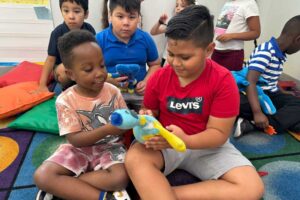
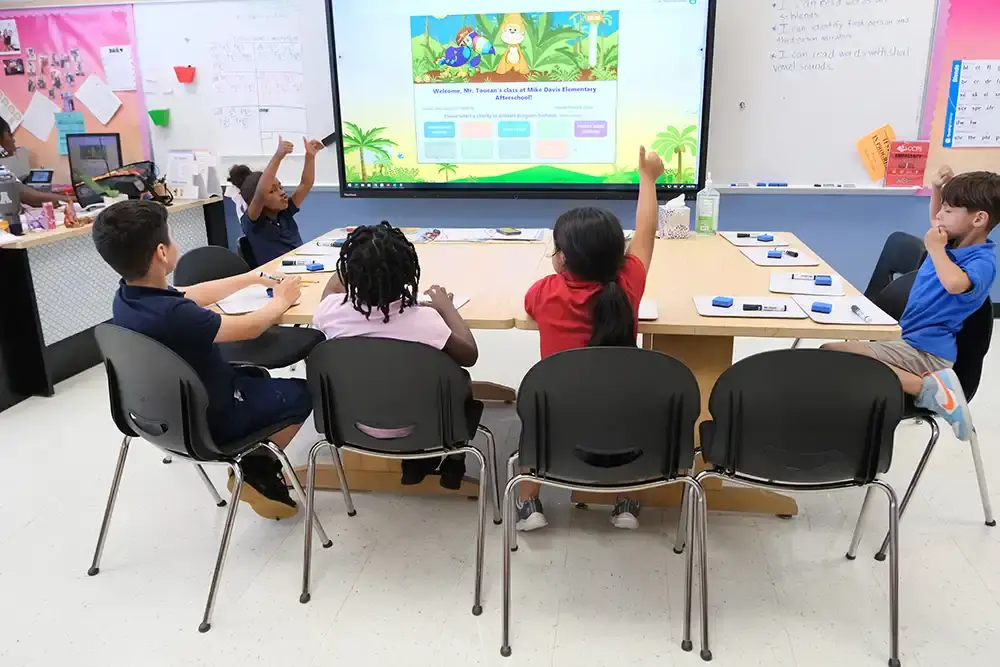
Confidence and self-esteem grow from more than individual achievement. For many children, confidence and self-esteem develop when they experience success with others. When children learn to cooperate through sharing ideas, solving problems and supporting one another, they begin to recognize how their own strengths and contributions bring value to the group. These moments help build their confidence and self-esteem at school, at home and for the future.
Why Cooperation Strengthens Confidence
Children are naturally wired to cooperate. Research shows that even very young children instinctively help others, respond to fairness, and participate in shared tasks. As children grow, cooperative skills need to be nurtured as they are powerful building blocks for emotional development, resiliency, and healthy relationships.
When children work together, a few things happen:
- They build confidence.
Through cooperation, children practice listening, communicating, compromising and problem-solving. As they feel more comfortable with the world around them, children feel safer expressing themselves and trying new things. - They feel capable.
Contributing to a group effort helps children see that their actions matter. Whether helping a classmate, completing a team challenge or working toward a shared goal with the family, children experience a sense of accomplishment that reinforces their capabilities. - They become more willing to participate.
Studies show that most children often raise their hands more and share ideas after collaborating with their peers. This cooperation helps reduce anxiety because children are not facing challenges alone. - They learn to trust themselves.
Collaboration and teamwork often allow children to step outside their comfort zones in a supportive environment. They learn to trust in their role and value, helping them develop resilience and confidence over time.
How Cooperation Supports Self-Esteem
Self-esteem grows when children feel valued and connected. Cooperation creates these types of experiences naturally because children see firsthand that their actions make a difference. Through cooperative activities, children have the opportunity to:
- Share ideas and see them appreciated
- Take responsibility within a group
- Encourage and be encouraged by peers
- Experience and celebrate shared success
When children witness how their participation helps a group succeed, they begin to develop a stronger sense of self-worth. They learn that they are more than observers; they are important contributors.
Over time, these shared experiences shape a positive self-image rooted not only in achievement but also in belonging, empathy and meaningful impact – key foundations for a healthy self-esteem.
Helping Kids Build Confidence Through Cooperation
Parents and educators play an essential role in creating opportunities for developing children’s cooperation skills, including:
- Encouraging Teamwork
Have children work toward shared goals through group projects, joint family responsibilities, team games or collaborative challenges, and volunteer or service activities. - Modeling Cooperative Behavior
Children can learn more about cooperation by watching adults. Demonstrate good listening, compromise and collaboration skills in everyday interactions. When adults work together successfully, children learn that cooperation is both valuable and expected. - Teach Conflict Resolution
Disagreements happen. Guiding children to listen actively, express feelings respectfully, and find solutions together builds both social skills and self-confidence. - Create Opportunities for Leadership
Cooperation allows every child to lead in different ways, from planning to encouraging teammates or sharing ideas. These small leadership moments help children see themselves as capable contributors. - Celebrate Cooperative Efforts
Recognize children for behaviors such as helping, sharing, encouraging others or resolving conflicts peacefully. Praising effort, not just outcomes, reinforces empathy and confidence rooted in character development.
Developing Cooperation with Charity for Change
Cooperation is experienced daily through character education and service learning within the Charity for Change curriculum. Students work together to support charities they choose, collaborate on activities and complete group challenges that require communication, shared responsibility and teamwork. As students work together, they also build self-esteem, empathy, leadership skills and a strong sense of belonging.
These real-world experiences shape resilient, compassionate and confident young people who are prepared to thrive in school, in relationships and in life. At Charity for Change, we teach cooperation through hands-on learning, mindfulness and service to empower children to discover both their individual strengths and the power of working together.
Learn how COOPERATION and character education can be integrated into your school, afterschool and summer programs. The Charity for Change curriculum is designed to help children grow into resilient and confident adults.
References:
Johnson, D.W., & Johnson, R.T. (2013). The Impact of Cooperative, Competitive, and Individualistic Learning Environments on Achievement. International Handbook of Student Achievement (372-374). New York: Routledge.
Mundelsee, L., & Jurkowski, S. (2021). Think and Pair Before Share: Effects of Collaboration on Students’ In-Class Participation. Learning and Individual Differences (Volume 88).
Slocombe, K.E., & Seed, A. M. (2019). Cooperation in Children. Current Biology (Volume 29, Issue 11).
Brookman-Byrne, A., & McAuliffe, K. (2024). “The developmental psychologist exploring the forces that shape children’s cooperation.” BOLD: Science for Growing Minds.