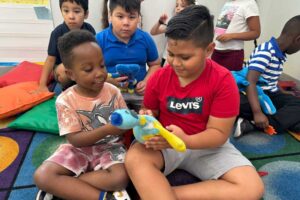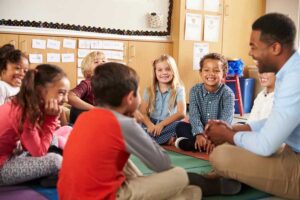
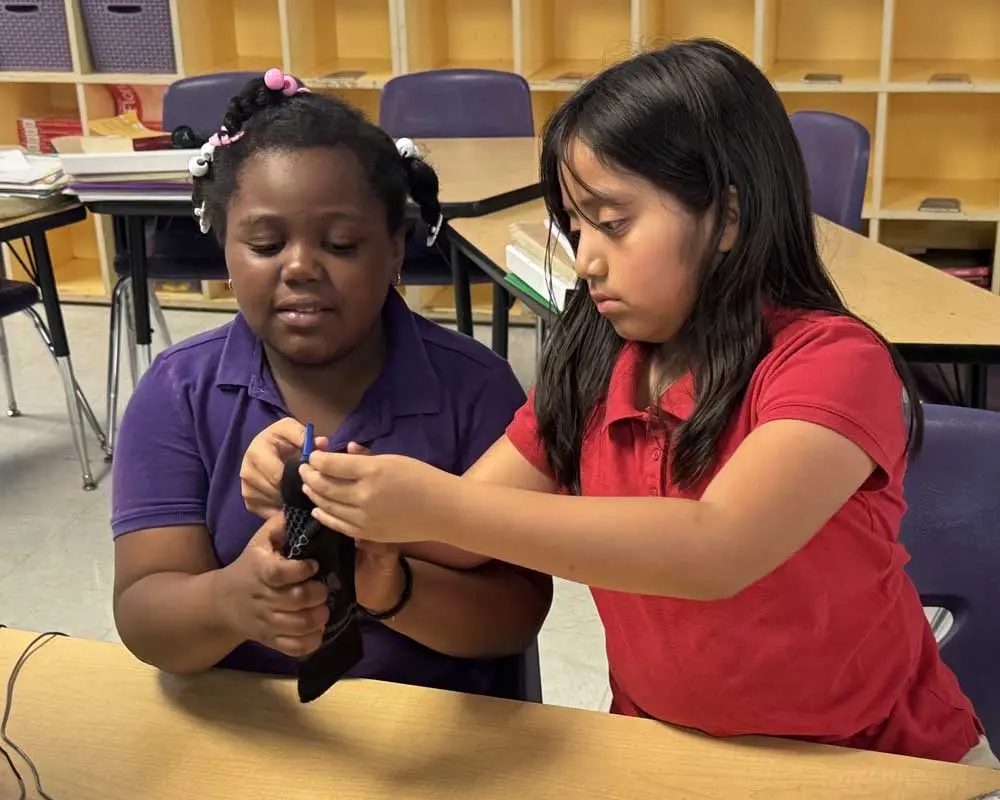
Respect is the foundation of how we understand and connect with others, and how we move through the world. At its core, respect is about empathy, boundaries and recognizing the value in people, including ourselves.
For children, respect doesn’t always come naturally. It’s a learned skill that develops over time through guidance, practice and example. When we intentionally teach elementary-aged students respect, we help them build the tools they need to form healthy relationships, communicate effectively and grow into thoughtful, compassionate individuals.
Why Teaching Respect Matters
Respect plays a vital role in a child’s social and emotional development. When children learn how to give and receive respect, they begin to understand what it means to feel safe, valued and heard. These early experiences influence their interactions with others and their self-perception as they grow into adolescence and adulthood.
Respect also helps strengthen communication skills. When children learn respect, they also learn to listen, consider different perspectives and express themselves in thoughtful and constructive ways. Over time, this supports strong friendships, more positive classroom environments and healthier relationships at home.
These communication skills are a powerful tool for preventing conflict and bullying. By learning to approach others with kindness and empathy, children are more likely to resolve disagreements with cooperation rather than aggression. In fact, research on children’s development shows that respect is closely linked to prosocial behaviors like fairness, inclusion and kindness, while also being associated with lower levels of aggression.
Most importantly, respect lays the groundwork for overall well-being. When children feel respected, they are more likely to extend that same respect to others, creating a positive cycle that benefits the world around them.
Three Forms of Respect
To fully understand respect, it’s important to recognize that it shows up in different ways. Teaching children to practice these three forms can help them develop a well-rounded sense of what it means to be respectful.
Respect for Self
Self-respect is where it starts. When children learn to value themselves, they begin to not only understand how they should be treated but also how they should treat others.
For children, self-respect can be seen as:
- Speaking to themselves with kindness and encouragement
- Taking care of their physical, emotional and mental well-being
- Recognizing their own worth and abilities
- Feeling confident in expressing their needs and opinions
- Walking away from situations that feel hurtful or disrespectful
This begins with the environment around them. Ensuring children feel accepted, supported and safe can help them build a positive sense of self. Trusted adults play an important role here by modeling self-respect through their own words and actions and by framing mistakes as opportunities to learn rather than failures.
Children who develop self-respect are better equipped to set boundaries, gain confidence and extend the same understanding to others.
Respect for Others
Respect for others is often the most visible form of respect. It shows up in how children speak, listen and interact with the people around them, – both peers and adults. This includes:
- Using kind and appropriate language
- Listening without interrupting
- Considering the different opinions of others
- Treating others with fairness and inclusion
Children can learn this by watching the adults in their lives. When trusted adults model respect for others, including children, they begin to understand not just what respect looks like, but why it matters.
Learning to respect others helps children navigate differences and build stronger, more meaningful connections with those around them.
Respect for the World Around Them
Respect extends beyond people. It includes how children treat their environment, shared spaces and belongings. For children, this can mean:
- Taking care of their own possessions and shared items
- Asking before borrowing
- Understanding and honoring personal space
- Being mindful of how their actions affect the comfort of others
Personal space is an important part of this learning experience. Children may not always recognize when they are too close or when a boundary has been crossed. Educators, parents and caregivers can help by clearly defining their own personal space so children can become more aware and considerate.
Simple Strategies for Teaching Respect
Respect can feel like an abstract concept, but it becomes much more tangible through everyday actions and consistent guidance. In addition to modeling respect, here are a few simple, effective ways to teach respect:
- Set Clear, Easy-to-Understand Expectations
Define what respect looks like in everyday life. For example, explain why borrowing something requires permission, or that listening means not interrupting. - Encourage Curiosity & Discovery
Talk about differences in a positive way, discussing how they make situations better. Helping children see how learning about new people and things can lead to stronger bonds and understanding. - Practice Through Role-Play
Create opportunities for children to act out real-life situations, like solving a disagreement, asking for help or taking turns. - Recognize Respectful Actions
When children demonstrate respect, such as asking nicely or listening well, acknowledge it. - Use Everyday Activities as Learning Moments
Games, group work and playtime all offer natural opportunities to practice respect, from sharing and turn-taking to being a gracious winner.
Respect is Built Over Time
Teaching respect is not a one-time lesson; it’s an ongoing process that grows with a child. It takes consistency, patience and a supportive environment where children feel safe to learn, practice and be themselves. When children understand respect in all its forms, they gain more than just a skill – they gain a foundation for how to communicate, form rewarding relationships and navigate life with resilience and confidence.
Learn how RESPECT and Charity for Change’s character education curriculum program can be integrated into any learning environment to help children grow and thrive.
References:
Malti, Tina; Peplak, Joanna; Zhang, Linlin. (2020). The Development of Respect in Children and Adolescents, Monographs of the Society for Research in Child Development (Volume 85, Issue 3). https://doi.org/10.1111/mono.12417.
Sherman Levos, Jody, Ph.D. (2025). Teaching Kids What Respect Is and Why It’s Important. Begin Learning.